Get Tree Cabling Service
Tree cabling services help property owners stabilize and support weak or damaged branches, reduce risk of falling, and manage large or hazardous trees safely.
Tree cabling services are an important consideration for property owners looking to support the health and stability of mature or valuable trees. Proper cabling can help prevent damage caused by storms, high winds, or the natural aging process, reducing the risk of falling branches or tree failure. Exploring local contractors who specialize in tree cabling can provide options for those interested in maintaining the safety and longevity of their landscape assets, especially in areas prone to severe weather or where trees are near structures or pathways.
For property owners planning landscape enhancements or managing existing trees, understanding the available local service providers can assist in making informed decisions about tree support solutions. Comparing options from experienced contractors ensures that the work aligns with the specific needs of the property, whether for aesthetic reasons, safety concerns, or long-term tree health. Continuing to explore the services offered by local pros can help in selecting the right approach to tree cabling projects.
- Tree Cabling Installation - when trees require support to prevent branch or trunk failure during storms.
- Tree Cabling Inspection - for assessing the stability and health of existing cabling systems in mature trees.
- Tree Cabling Repair - if existing cabling shows signs of wear, damage, or has become loose over time.
- Tree Support System Setup - when new trees need additional support to ensure proper growth and stability.
- Tree Cabling Removal - in cases where cabling has become obsolete or is causing damage to the tree structure.
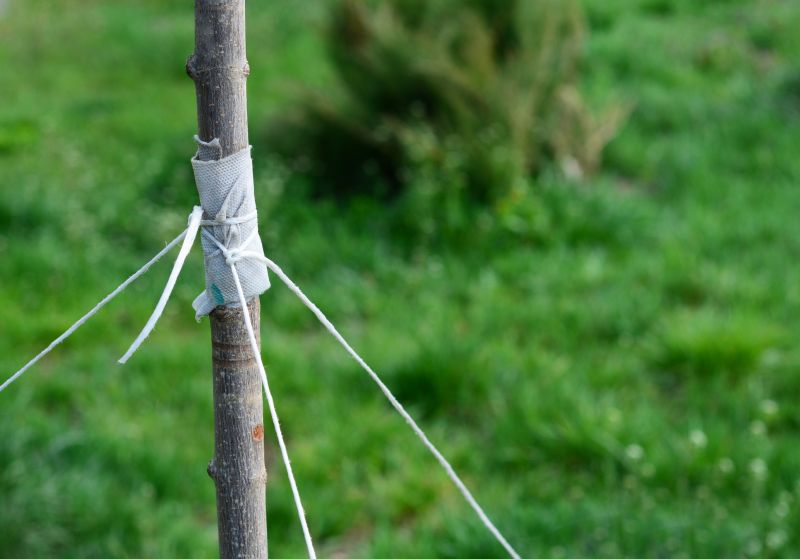
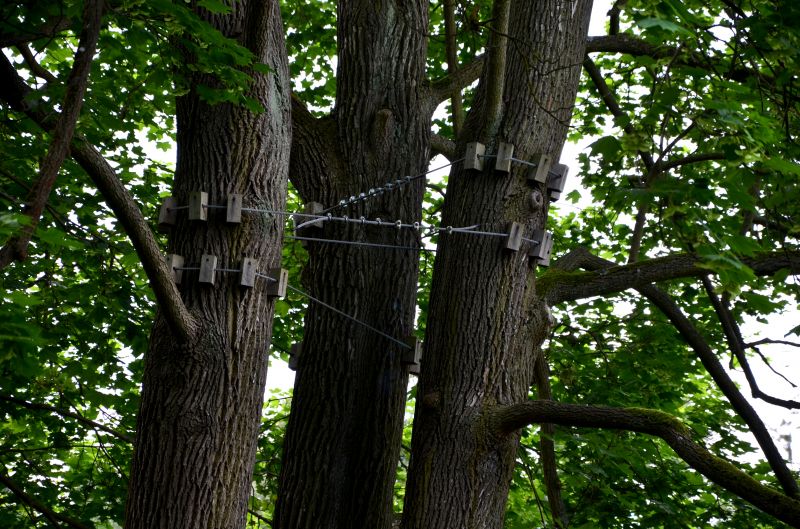
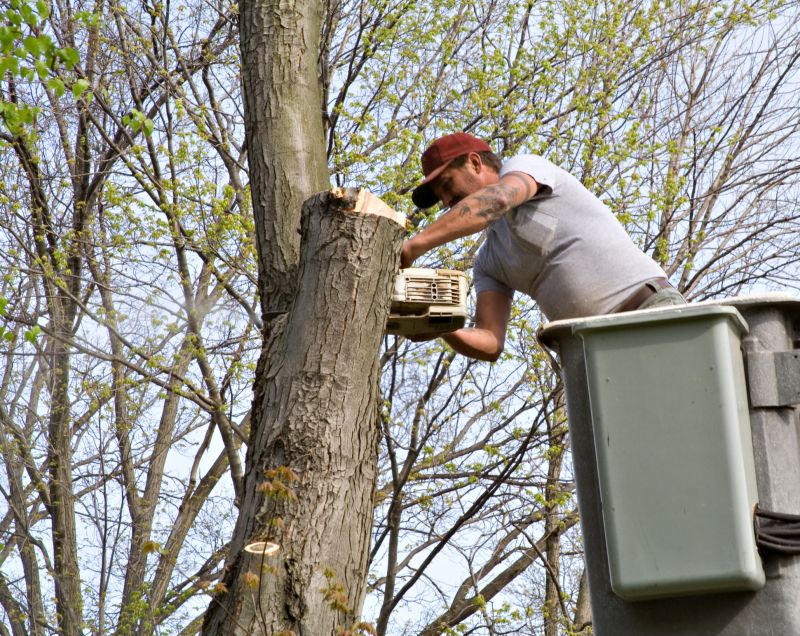
Tree cabling services involve installing strong, flexible cables and supports to help stabilize and protect mature or structurally vulnerable trees. This process typically includes evaluating the tree’s health and structure, then carefully attaching cables to branches or trunks to reduce stress caused by wind, storms, or uneven growth. The goal is to prevent branches from splitting or falling, which can pose safety hazards or cause property damage. Professional arborists or tree care specialists use specialized equipment and techniques to ensure that the cabling is effective while minimizing any impact on the tree’s health.
This service is particularly useful for addressing common problems such as weak branch unions, cracks, or leaning trees that are at risk of failure. Without intervention, these issues can lead to dangerous branch breakage or tree failure, especially during severe weather events. Tree cabling offers a way to extend the life of valuable trees and maintain safety around properties by providing additional support where natural structural integrity is compromised. It is often recommended for trees that are important landscape features or that have experienced previous damage but are still healthy enough to benefit from structural reinforcement.
Properties that typically utilize tree cabling services include residential homes with mature trees close to buildings, driveways, or walkways, where falling branches could cause injury or property damage. Commercial properties such as parks, golf courses, or business campuses also frequently require cabling to ensure the safety of visitors and staff. Additionally, historic or specimen trees that hold significant aesthetic or sentimental value often benefit from cabling to preserve their presence for years to come. In all cases, local contractors can assess the specific needs of each tree and determine the most appropriate support system.
Homeowners and property managers who notice signs of structural weakness-such as leaning trees, cracked branches, or excessive weight on certain limbs-should consider tree cabling services. This preventative approach can help avoid costly damages or dangerous situations caused by falling branches or tree failure. By working with experienced local service providers, property owners can ensure that their trees are properly supported and maintained, contributing to the safety and beauty of their landscapes. Contacting a local contractor for an evaluation can provide peace of mind and help protect both people and property.
The overview below groups typical Tree Cabling Service projects into broad ranges so you can see how smaller, mid-sized, and larger jobs often compare in your area.
In many markets, a large share of routine jobs stays in the lower and middle ranges, while only a smaller percentage of projects moves into the highest bands when the work is more complex or site conditions are harder than average.
Smaller Repairs - Typically, simple tree cabling jobs cost between $250 and $600. Many routine repairs fall within this range, covering tasks like adding support to a single limb or minor adjustments.
Standard Cabling Installations - More extensive projects, such as cabling multiple branches or supporting a medium-sized tree, usually range from $600 to $1,500. These are common for ongoing tree health maintenance.
Large or Complex Projects - Larger, more intricate cabling jobs can range from $1,500 to $3,000, often involving several trees or significant structural support. Fewer projects reach this tier, but they are necessary for high-value or high-risk trees.
Full Tree Support Systems - Complete cabling and bracing for large, mature trees can cost $3,000 and above, with some complex cases exceeding $5,000. These projects are less common and typically involve extensive planning and installation by local contractors.
Actual totals will depend on details like access to the work area, the scope of the project, and the materials selected, so use these as general starting points rather than exact figures.
Tree Pruning and Shaping - this project involves trimming and shaping trees to promote health and aesthetics, requiring similar planning and tools as tree cabling services.
Tree Removal Services - removing hazardous or unwanted trees involves assessment and careful handling, paralleling the safety considerations in cabling projects.
Utility Line Clearing - clearing branches near power lines demands precise planning and equipment use, similar to installing support cables in trees.
Landscape Tree Installation - planting and establishing new trees involves structural support and planning akin to cabling techniques for existing trees.
Storm Damage Tree Repair - restoring trees damaged by storms requires specialized equipment and knowledge, similar to the skills used in cabling and bracing.
Tree Health Assessments - evaluating tree stability and health involves inspection techniques that complement the planning phase of cabling services.
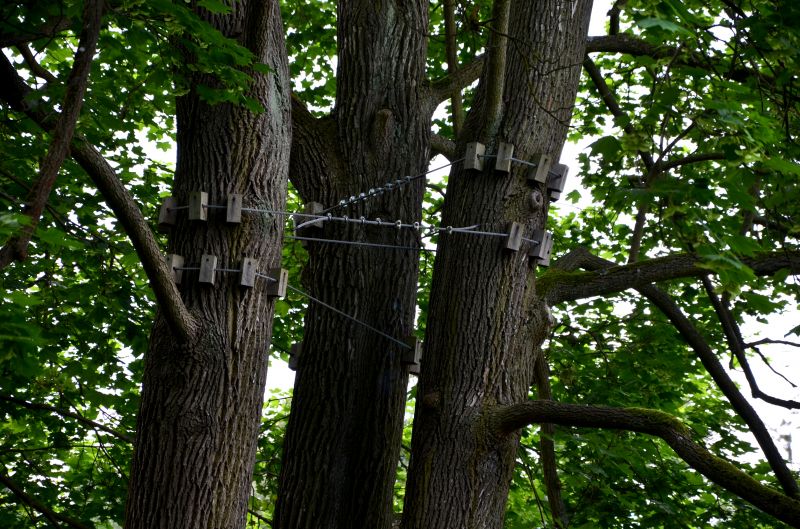
When comparing service providers for tree cabling services, it’s important to consider their experience with similar projects. Look for local contractors who have a proven track record of handling tree cabling or related tree support work. An experienced professional will understand the nuances of different tree species, growth patterns, and the best practices for installing cabling systems that promote tree health and stability. Gathering information about their past projects or asking for examples of work can help gauge their familiarity with the specific requirements of your trees.
Clear, written expectations are essential when selecting a tree cabling service provider. A reputable contractor should be able to provide a detailed scope of work, outlining what will be done, the materials to be used, and any necessary follow-up or maintenance recommendations. Having these details in writing helps ensure that both parties are aligned on the project’s goals and reduces the risk of misunderstandings. It also provides a useful reference point should questions or concerns arise during or after the work is completed.
Reputable references and good communication are key factors in choosing a reliable local contractor. Asking for references from previous clients who have had similar tree cabling work can offer insights into the quality of service and professionalism. Additionally, a contractor’s responsiveness and clarity in communication-whether through email, phone, or in-person discussions-can indicate their commitment to customer service. These qualities help create a smoother experience and increase confidence that the project will be managed effectively from start to finish.
Property owners use Tree Cabling Service services for practical projects around their homes and businesses. This guide focuses on everyday jobs and straightforward project options.
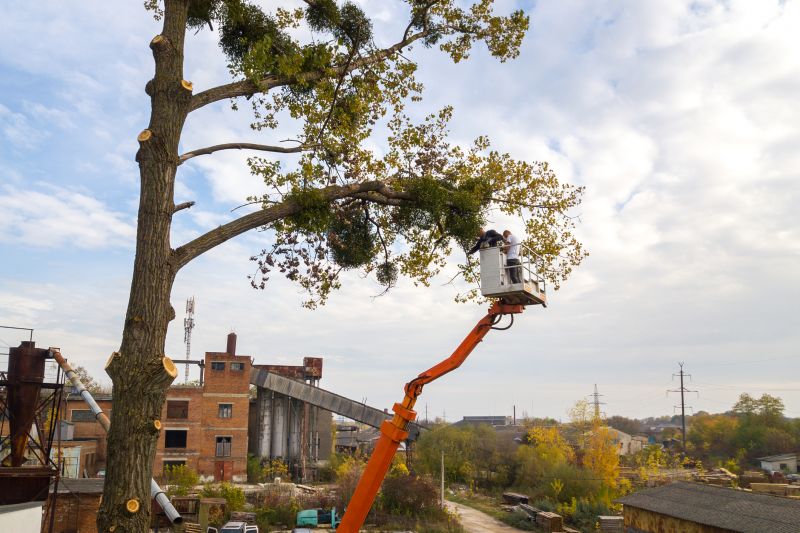
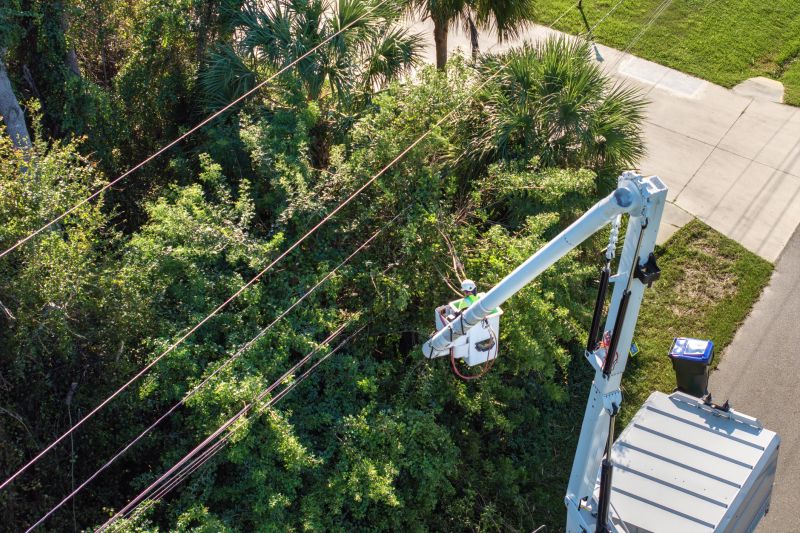
Tree cabling services are often needed when property owners notice that certain trees have weak branches or are showing signs of damage. These professionals can install support systems to help prevent branches from breaking during storms or high winds, reducing the risk of property damage or injury. Additionally, property owners might seek tree cabling to preserve the health and stability of mature trees that are leaning or have structural issues, ensuring they remain safe and attractive parts of the landscape.
In everyday situations, local contractors can assist with installing cabling in trees that have become overgrown or are in high-traffic areas, where falling branches could pose a hazard. Homeowners and business owners may also look for these services after storms or severe weather events that cause damage or stress to trees. Connecting with experienced service providers can help maintain the safety and longevity of trees on the property, preventing the need for removal and supporting overall landscape health.
What is tree cabling service? Tree cabling service involves installing support systems like cables and braces to help stabilize and protect mature or weakened trees from damage caused by wind, storms, or heavy branches.
Why should I consider tree cabling? Tree cabling can help prevent branch or trunk failure, reducing the risk of property damage or personal injury, especially for trees with structural issues or heavy limbs.
How do local contractors determine if a tree needs cabling? Service providers assess the tree’s structure, health, and risk factors to determine if cabling or bracing is appropriate for supporting the tree’s stability.
What types of trees can benefit from cabling services? Many mature or large trees with heavy or overextended branches, including oaks, maples, and pines, can benefit from cabling to improve their structural integrity.
How do tree cabling services impact tree health? Professional cabling is designed to support the tree without harming it, helping to maintain its health while reducing the risk of failure or damage.
Tree Support and Stability - Local contractors can install cabling to support weak or heavy branches, reducing the risk of breakage during storms.
Preventing Property Damage - Service providers can help reinforce trees near buildings to prevent limbs from falling and causing damage.
Tree Health and Longevity - Experts can implement cabling solutions that promote healthy growth and extend the lifespan of mature trees.
Safety Enhancement - Tree cabling services can create a safer environment by stabilizing hazardous branches and reducing the chance of accidents.
If you are thinking about Tree Cabling Service for a property, this guide is meant to help you understand the work, the typical project types, and how different options might fit your plans.
When you are ready, you can use the quote form on this page to share a few details about your project. From there, local pros can review the basics and respond with options that match what you have in mind.