Effective Turf Repair Strategies
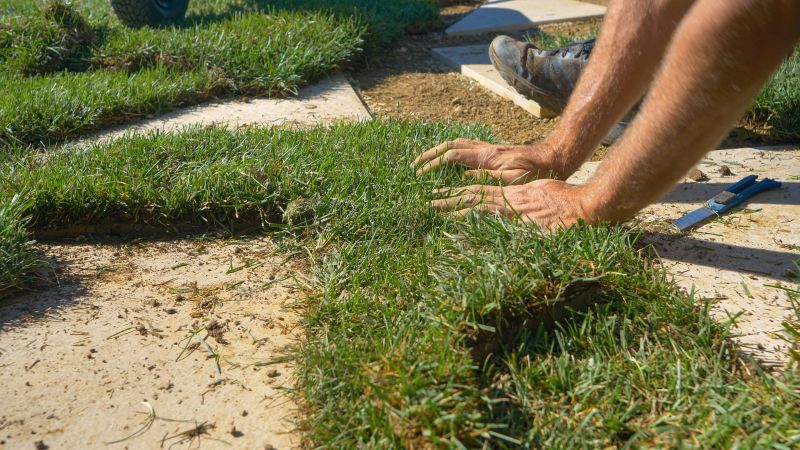
Spring is an ideal time for turf repairs due to optimal growing conditions and moderate temperatures.
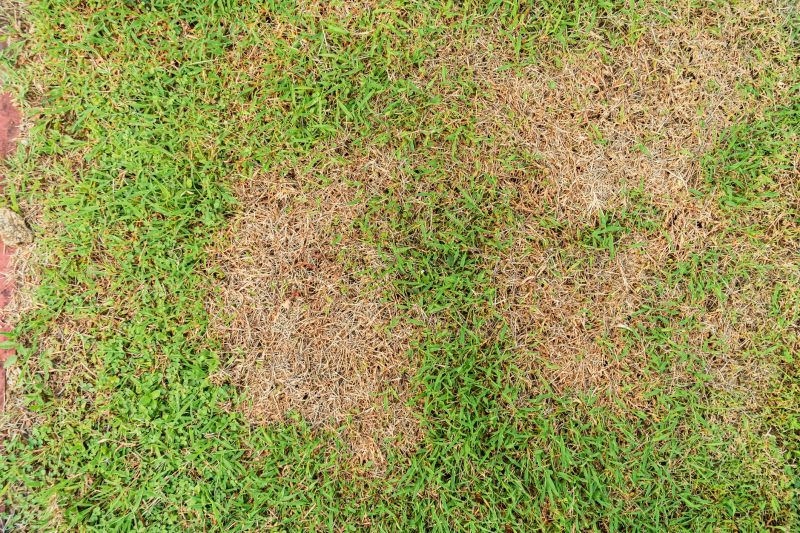
Summer repairs require attention to watering and shade to prevent stress on the turf.
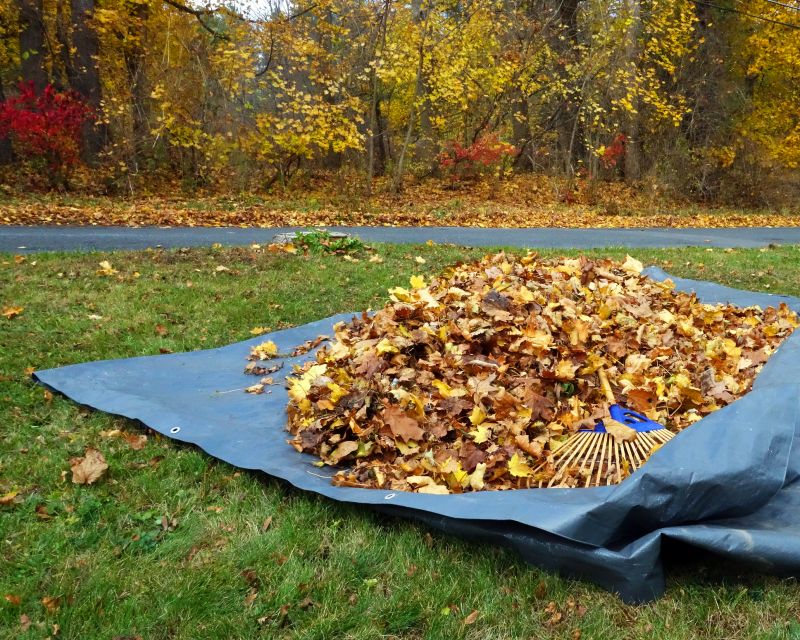
Fall offers cooler weather and increased moisture, making it suitable for repairing and establishing turf.
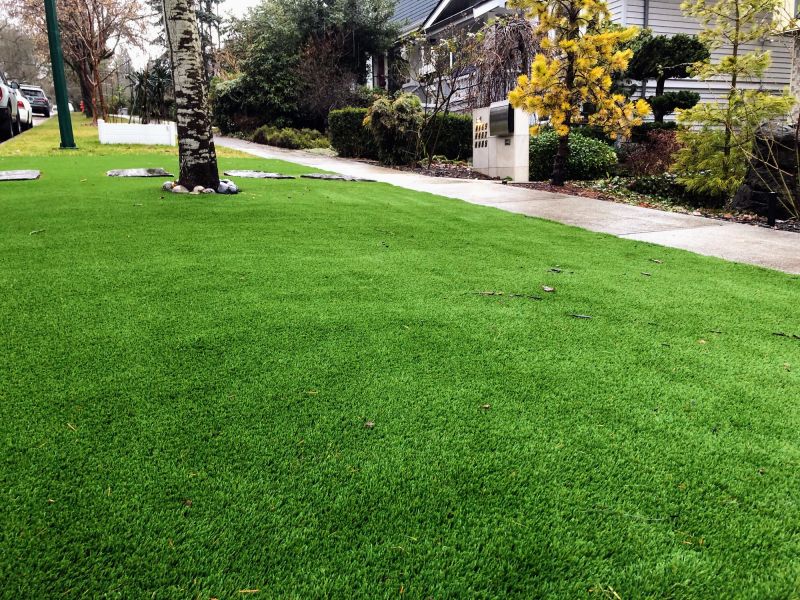
Ways to make Turf Repairs work in tight or awkward layouts.
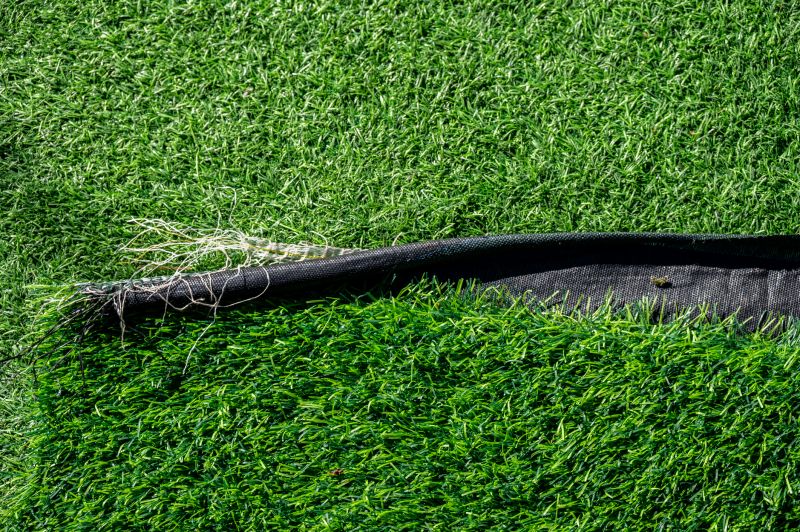
Popular materials for Turf Repairs and why they hold up over time.
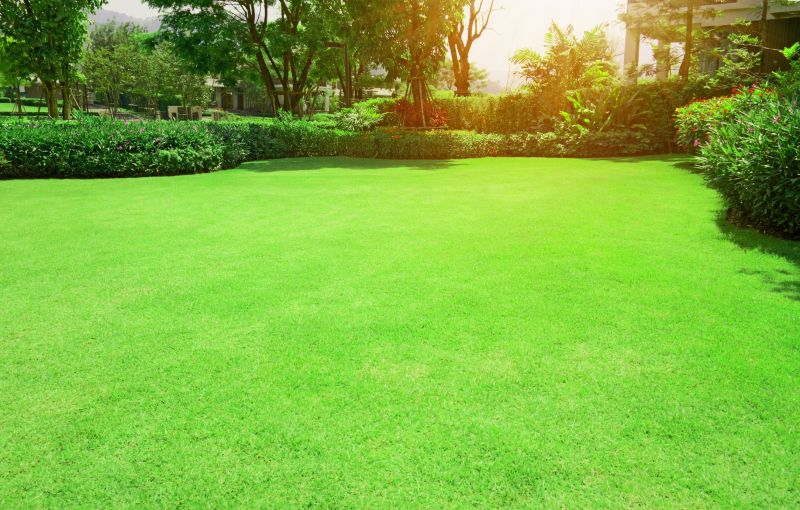
Simple add-ons that improve Turf Repairs without blowing the budget.
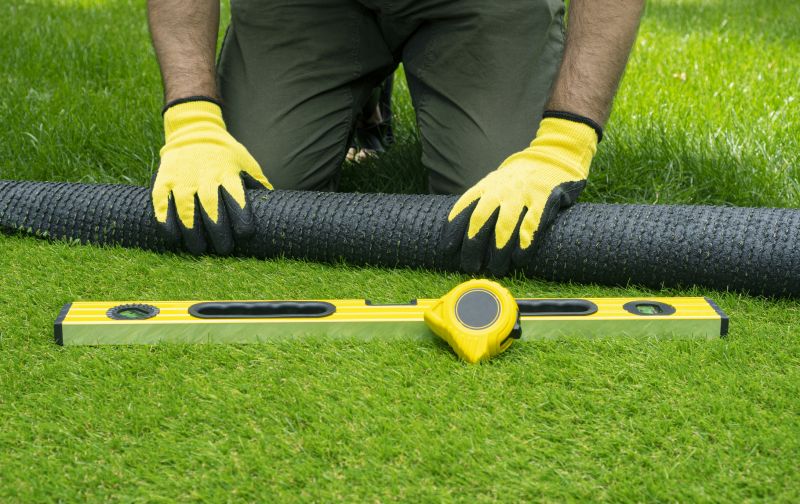
High-end options that actually feel worth it for Turf Repairs.

Finishes and colors that play nicely with Turf Repairs.
Turf repairs are essential for maintaining a healthy, lush lawn. They help address issues such as bare patches, soil compaction, and pest damage. Proper timing ensures that repairs integrate seamlessly with the natural growth cycle, promoting quicker recovery and a more resilient turf.
Statistics indicate that turf repairs performed during optimal seasons can improve recovery times by up to 50%. For example, spring repairs often result in denser, healthier grass due to favorable temperatures and moisture levels. Conversely, repairs during extreme heat or cold may hinder growth and prolong recovery.
Spring allows for rapid grass growth, making it the best season for overseeding and patching.
Moisture and moderate temperatures support root development and turf establishment.
Timing repairs before summer heat helps prevent turf stress and damage.
Cooler weather and increased rainfall promote turf root growth and repair success.
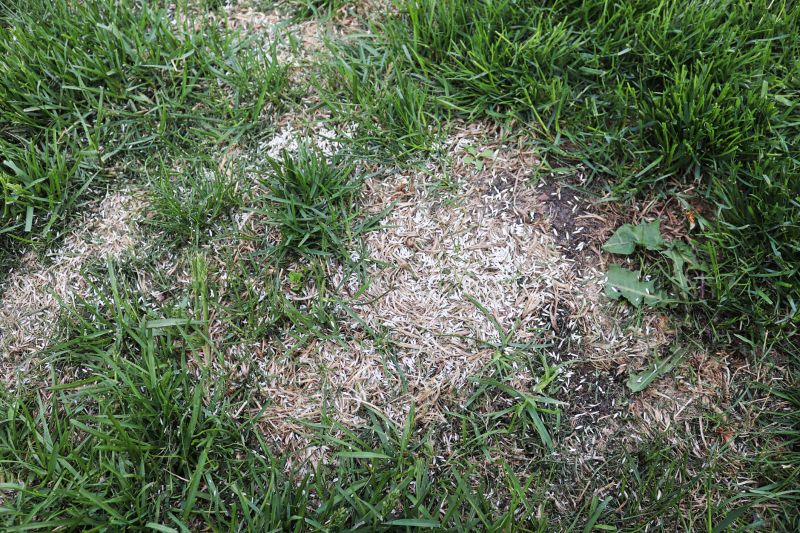
A step-by-step approach ensures effective patching and overseeding.
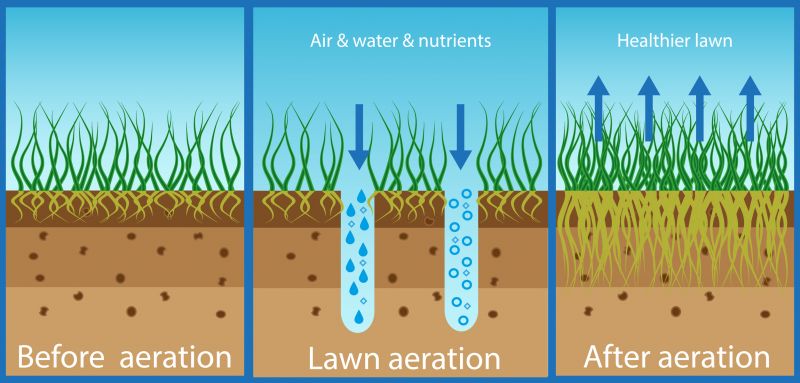
Proper soil aeration and leveling are crucial before turf repairs.
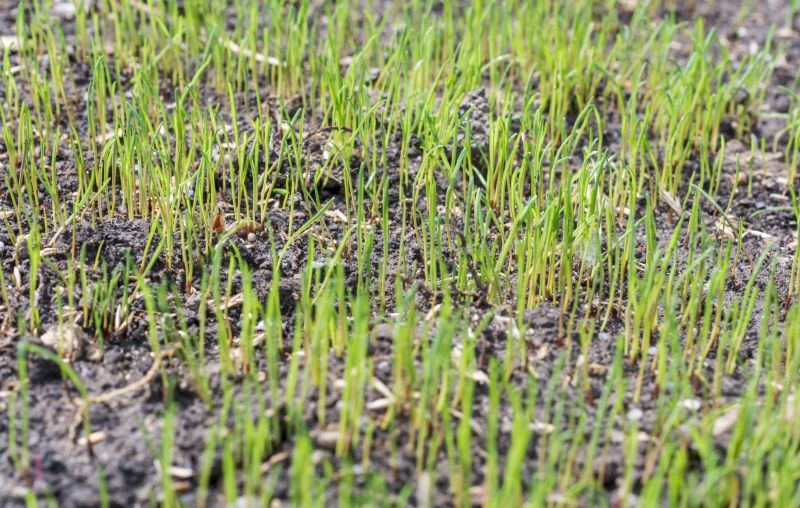
Selecting the right seed mix enhances turf density and resilience.
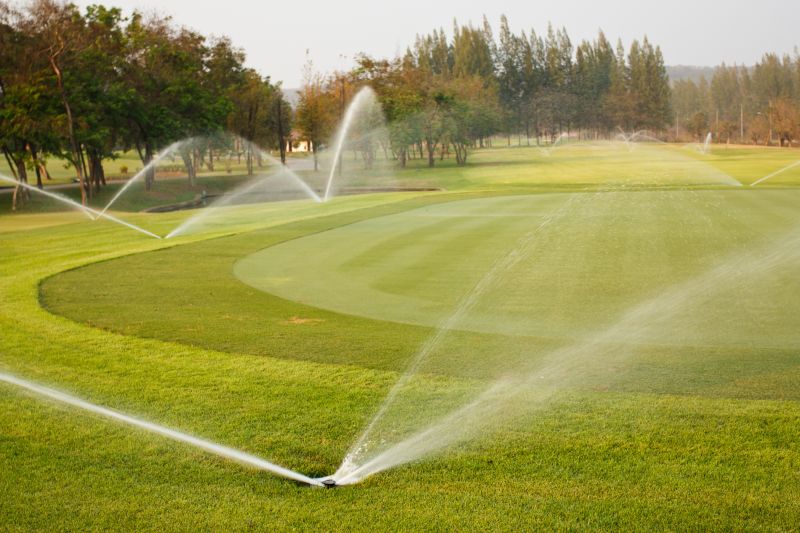
Consistent watering supports seed germination and root growth.
| Season | Best Practices |
|---|---|
| Spring | Ideal for overseeding, patching, and soil preparation. |
| Summer | Limit repairs; focus on watering and shading. |
| Fall | Great for establishing new turf with cooler temperatures. |
| Winter | Not recommended due to dormancy and low temperatures. |
| Early Autumn | Supports turf root growth and repair before winter. |
| Late Spring | Allows for quick recovery from winter damage. |
| Mid Summer | Use with caution; prioritize hydration and shade. |
| Late Autumn | Prepare turf for winter dormancy and spring recovery. |
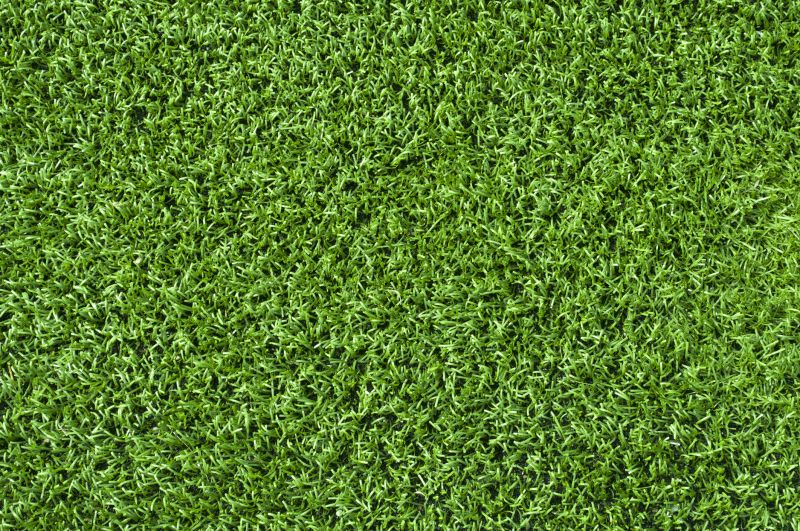
Proper timing and maintenance lead to a dense, green lawn.
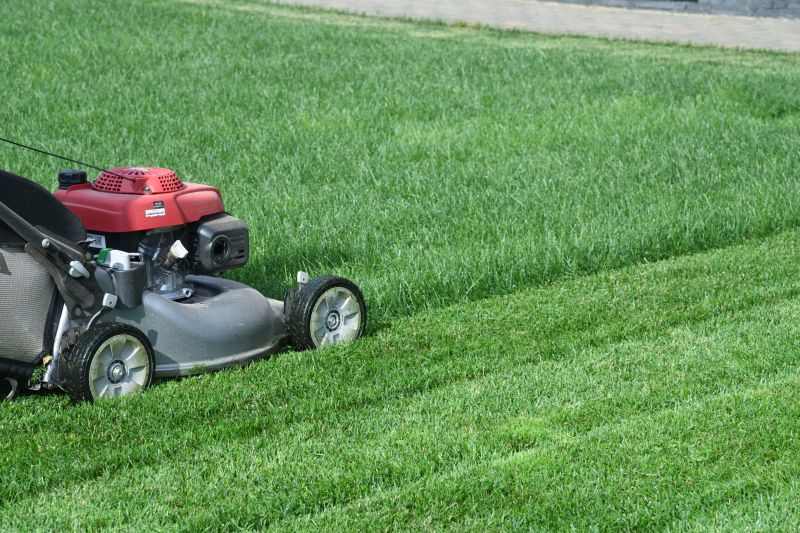
Using the right tools improves repair efficiency and quality.
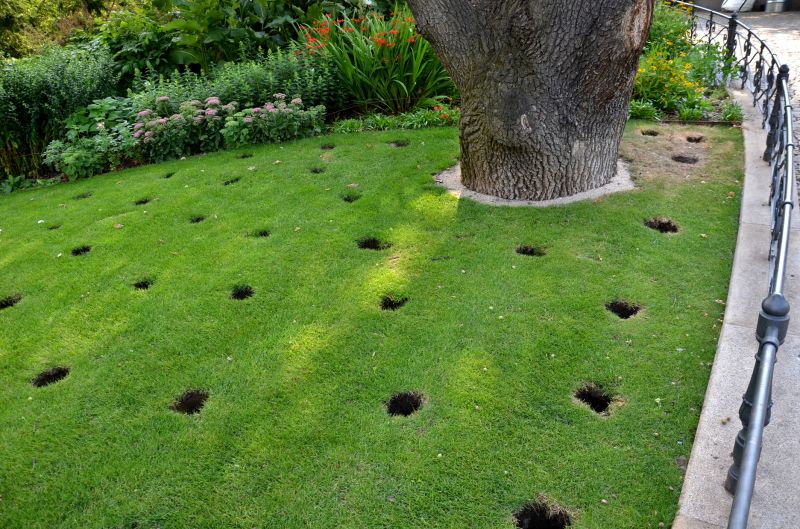
Understanding soil conditions helps tailor repair strategies.

Regular checks ensure turf establishment and health.

Little measurements that prevent headaches on Turf Repairs day.
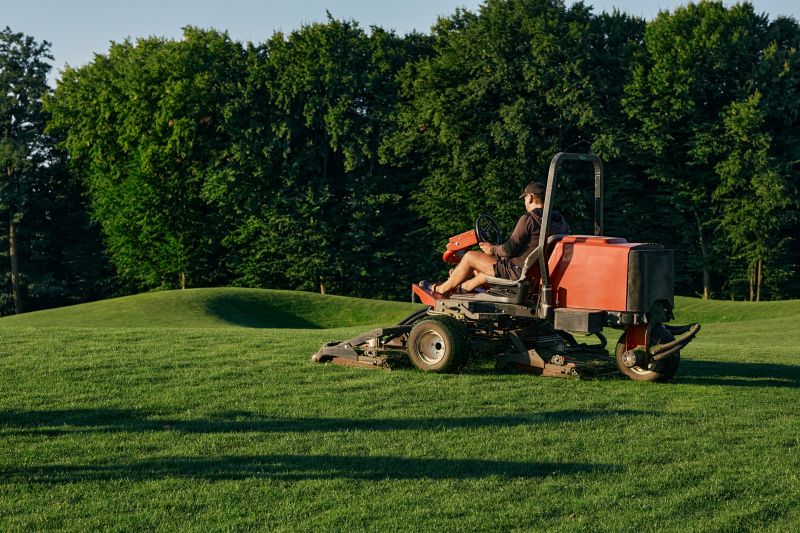
A 60-second routine that keeps Turf Repairs looking new.
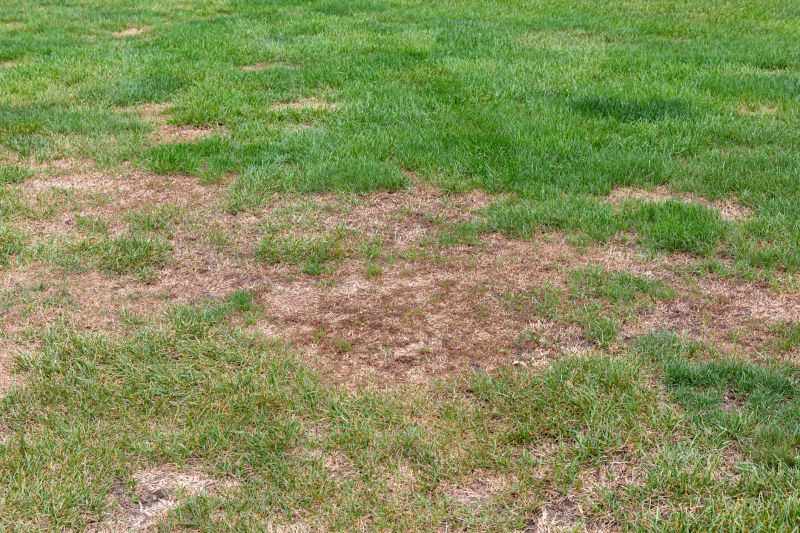
A frequent mistake in Turf Repairs and how to dodge it.
Small tweaks to make Turf Repairs safer and easier to use.
For those interested in turf repairs, filling out the contact form provides an opportunity to discuss specific needs and scheduling options. Proper timing and execution can significantly improve lawn appearance and resilience.